



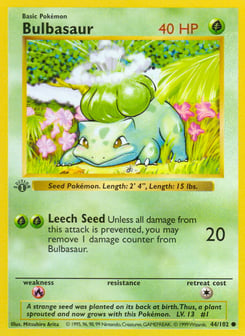

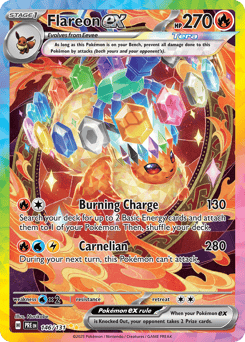


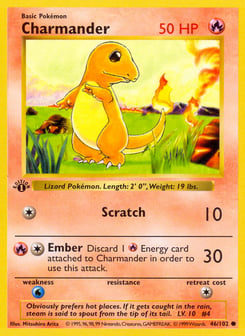


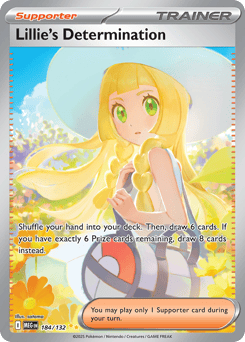

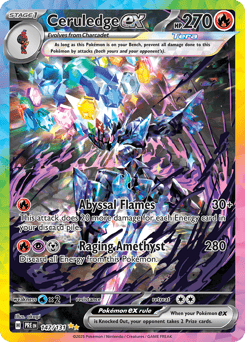


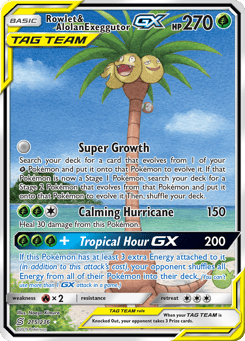
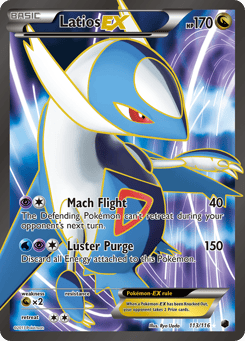
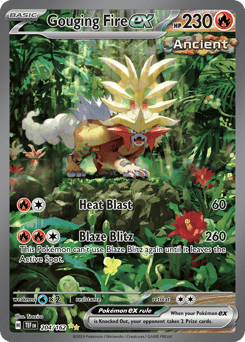



A headline sale can be an outlier. Look at several comparable transactions and check whether editions, grading and condition actually match.
Begin with a clear purpose
Compare like with like: edition, language, condition, sales volume, fees and region can all change what a price actually means.
Before changing a deck, buying a product or entering an event, write down the result you want and the constraint that matters most. That small step turns a broad idea into a decision you can evaluate.
Use a repeatable method
Treat market data as context rather than a promise. A sensible decision should still fit the collector’s goal and budget if prices move.
Avoid drawing a large conclusion from one unusual game, listing or trade. Compare several examples, keep the conditions consistent and make one deliberate adjustment at a time.
Good decisions become easier to repeat when the reason behind them is visible.
What to try next
Treat price charts as context, not a forecast. Collect within a budget that makes sense even if the market changes.
Confirm the current rules, event details or marketplace terms.
Record the important starting conditions.
Test or compare more than one example.
Change one variable and review the result.
The goal is steady understanding rather than instant perfection. Keep the notes that help, discard assumptions the evidence does not support, and return to the process whenever the situation changes.



Comments 0
Join the conversation. Comments are reviewed before appearing.
Sign in as a reader to leave a comment.